
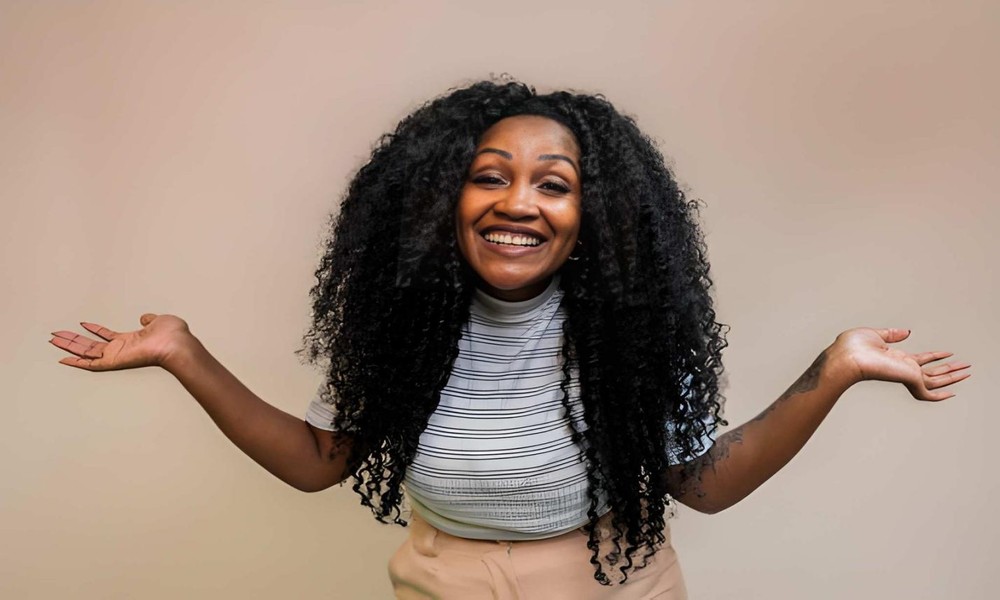

Protective styling is often talked about as if it has one single definition, but for many Black women, the best option is the one that balances convenience, hair health, styling flexibility, and a natural-looking finish. That is exactly why clip-ins keep coming up in real conversations about everyday beauty routines. They can be quick to install, easy to remove, and helpful for adding fullness or length without committing to a long-term style. At the same time, they are not automatically protective just because they are removable. The real benefit depends on how they are installed, how often they are worn, how well they match your texture, and whether they reduce or increase stress on your own hair. :contentReference[oaicite:0]{index=0}
Why Clip-Ins Appeal to Black Women Who Want Fast, Flexible Styling
For many women with textured or natural hair, Clip In For Black Women can feel like one of the most practical beauty options available. Unlike styles that require long salon appointments, glue, or tightly sewn foundations, clip-ins can often be installed in far less time and removed at the end of the day. That flexibility matters when you want a polished look for work, an event, a trip, or even a low-effort weekend style without fully changing your routine.
They also make sense for people who like variety. You can wear your own hair out during the week, then add extra volume or length only when you want it. That kind of styling freedom is part of what makes clip-ins attractive. Instead of feeling locked into one look, you get to treat extensions as an option rather than a permanent commitment.
Are Clip-Ins Really Protective, or Does It Depend on How You Wear Them?
The honest answer is that clip-ins can be protective, but they are not automatically so. A style becomes protective when it helps limit over-manipulation, reduces unnecessary heat use, and supports retention rather than causing breakage. If you install clip-ins on fragile edges, place them too tightly, or wear them daily in the exact same spots, they can create tension and weaken the hair over time. So the protection is not just in the product itself, but in the habits that come with wearing it.
When used thoughtfully, though, clip-ins can help simplify styling in a healthy way. They can reduce the need for constant restyling, help you avoid over-brushing your own strands, and give you more fullness without requiring chemical processing or a high-manipulation install. They tend to work best when you treat them as part of a balanced routine instead of an everyday shortcut with no breaks.
- Rotate where the clips are placed instead of attaching them to the same sections every time.
- Avoid clipping onto weak, thinning, or freshly relaxed areas.
- Remove them gently before bed rather than sleeping in them night after night.
- Keep your own hair moisturized and detangled underneath.
When Texture Match Matters Most for a Natural Finish
For Black women, one of the biggest reasons clip-ins either succeed beautifully or fall flat is texture matching. Hair that blends well usually looks more believable, feels easier to style, and puts less pressure on you to force your natural strands into a pattern they do not want to hold. That is why textured-hair shoppers often pay close attention to density, luster, curl pattern, and how the extension behaves once fluffed, stretched, or shaped. In that conversation, Curly Clip In Extensions are especially popular because they can help create fullness while still respecting the look of coils, curls, and textured volume.
A good match is not only about appearance. It also affects how much manipulation your own hair needs. If the extension texture is too loose, too silky, or too different from your leave-out, you may end up using extra heat, pulling harder during blending, or constantly restyling to make everything look cohesive. That is when a convenient style can start becoming a frustrating one.
In most cases, the best results come from choosing extensions that already sit close to your desired finish. Think in terms of realistic blending, not perfection. A soft textured match usually looks better than trying to force your hair into a completely different pattern.
When Clip-Ins May Not Be the Best Option
Even though clip-ins are convenient, they are not ideal for every season of your hair journey. If your edges are already stressed, your crown is experiencing breakage, or your hair is shedding heavily, adding clips may not be the gentlest choice right away. The same goes for anyone who knows they want a style they never have to remove for days at a time. A removable option is only helpful if you are actually willing to remove it carefully and maintain both the extension and your own hair underneath.
They may also be less practical for people who prefer highly secure, long-wear styles during intense workouts, long travel days, or humid conditions where frequent restyling becomes annoying. In those situations, another low-tension option may suit your lifestyle better. The goal is not to force clip-ins into every routine, but to decide whether they genuinely support how you wear your hair in real life.
A simple way to judge whether they are right for you is to ask:
- Will this style reduce daily manipulation of my own hair?
- Can I install and remove it gently?
- Does the texture blend without excessive heat or pulling?
- Will I realistically maintain my hair underneath?
What Works Best for You
Clip-ins can absolutely be one of the best options for quick protective styling, especially for Black women who want flexibility, natural-looking volume, and more control over how often they wear extensions. But the real answer depends on the condition of your hair, the texture match you choose, and the way you use them over time. When they are installed with care and worn with healthy habits, they can support both beauty and retention. When they are rushed, overused, or clipped into vulnerable areas, they can do the opposite. The best beauty choices are rarely about trends alone. They are about what helps your hair look good while still respecting its long-term health.
